Staying Connected: Ikigai, Social Bonds and Inter-Generational Life in Later Years
Purpose and health are not created in isolation. For older adults, relationships are often the heart of ikigai – family roles, friendships, faith communities, neighbours, and even the bond with a trusted carer.
When those networks shrink, wellbeing can suffer. When they are nurtured, later life can remain rich, connected and meaningful.
The Health Impact of Loneliness in Later Life
In the UK, many older people report feeling lonely “often” or “always”. Loneliness and social isolation:
- Increase risks of depression and anxiety
- Are linked to poorer physical health
- Can significantly affect overall wellbeing
The NHS explains how loneliness affects older people, and offers practical ideas for support:
NHS – Loneliness in older people and
NHS – Loneliness in older people: how to help.
Age UK’s work also highlights how common loneliness is in later life, and why staying connected matters:
Age UK – Loneliness and
Age UK – Loneliness research and resources.
Ikigai and Relationships: Being Needed, Not Just Looked After
In many traditional cultures, elders are deeply valued as:
- Keepers of stories
- Spiritual anchors
- Advisors and mediators
- Teachers of language, recipes and customs
This sense of being needed is a powerful source of ikigai. Research on long-lived communities around the world highlights strong social ties and a clear sense of purpose as key components of their exceptional longevity, often referred to as “Blue Zones”, where concepts like ikigai are central to everyday life.
Holistic care at home can support these roles instead of unintentionally sidelining them.
Inter-Generational Connection at Home
Inter-generational contact benefits both sides. For elders, it can:
- Boost mood and reduce isolation
- Stimulate memory and conversation
- Reinforce identity and self-worth
For children and younger adults, it builds empathy, cultural understanding and a sense of continuity.
Practical ideas include:
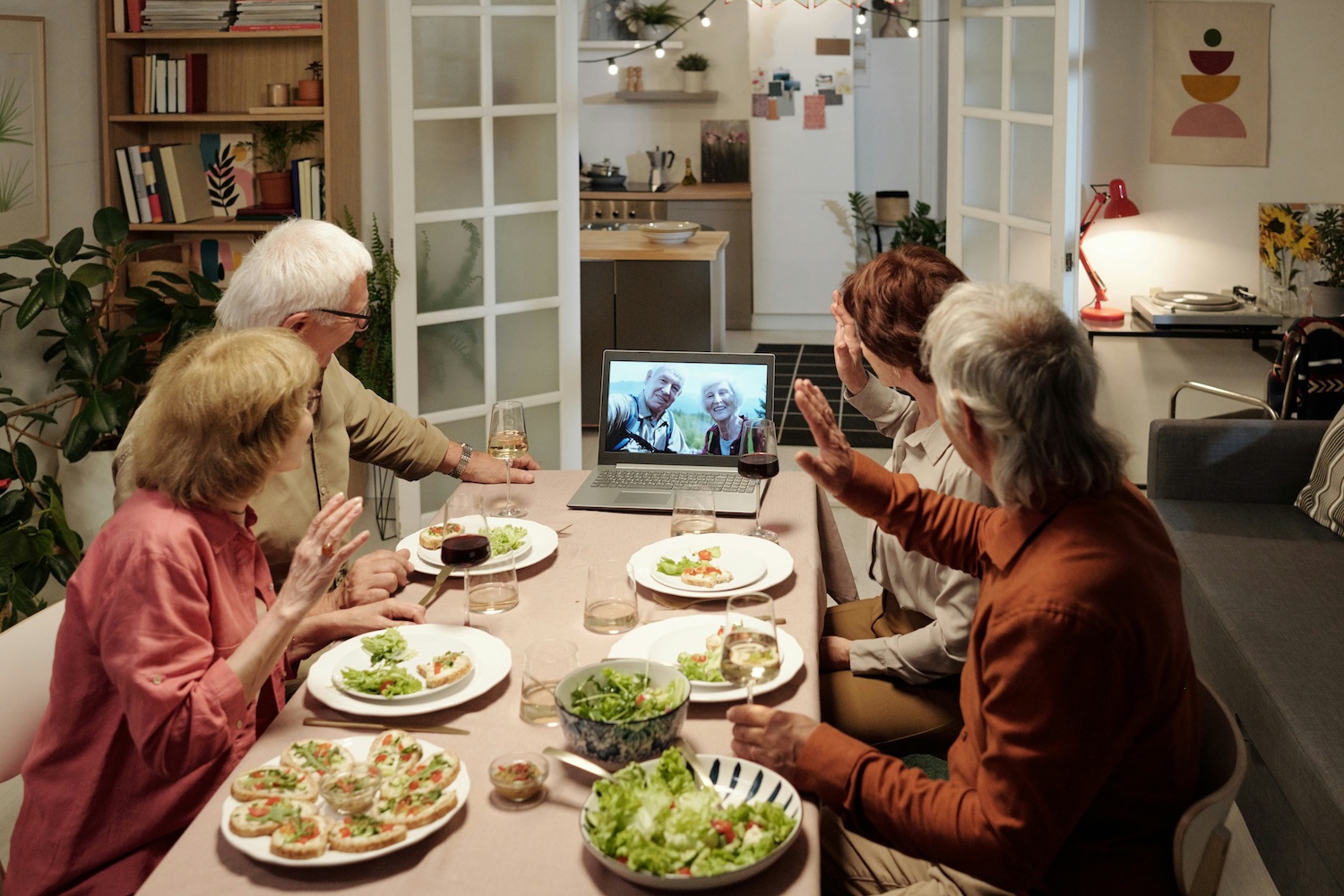
- Story time with grandparents – in person or via video call
- Cooking or baking together, with elders as “head chef”
- Sharing songs, prayers or festival traditions
- Involving elders in homework, language practice or life advice
A live-in carer can help coordinate timings, manage energy levels and ensure these interactions are enjoyable rather than exhausting.
The Role of a Culturally Aligned Live-In Carer
For many South Asian and other minority-ethnic families, language and cultural understanding are crucial to feeling truly seen. A carer who:
- Speaks the person’s preferred language
- Understands their faith, festivals and customs
- Respects modesty, food choices and family dynamics
…can help maintain authentic connection, not just superficial company.
They can also support elders to stay engaged with community – whether that is arranging transport to the mandir, mosque or gurdwara, joining online prayer meetings, or helping navigate community groups and day centres.
Creating a Social Circle Around Your Loved One
Families can think about building a circle of connection around their loved one:
- Immediate family and close friends
- Neighbours and faith/community members
- The live-in carer
- Health professionals and volunteers
Holistic care planning can map out who is involved, how often they connect, and how to keep those connections going even if health changes.
Using Technology Wisely
While technology cannot replace in-person warmth, it can bridge gaps:
- Video calls for distant family
- Shared messaging groups for photos and quick check-ins
- Online prayer services, cultural events and exercise classes
A live-in carer can manage the technology – setting up calls, adjusting volume, offering privacy – so the elder can focus on the human connection.
Ikigai in Community: Beyond the Front Door
Purpose often extends beyond the home. Where safe and possible, a carer can support:
- Attending local groups (chai mornings, over-60s clubs, cultural associations)
- Volunteering in small ways – for example, helping at the temple kitchen
- Short trips to familiar places – markets, parks, places of worship
These activities reinforce a sense of belonging and contribution far beyond simply “being cared for”.
Want to Wrap Care Around Your Loved One’s Relationships – Not Replace Them?
If your priority is to keep your loved one connected, respected and involved, live-in care can support their relationships rather than take them away.
Talk to us about culturally aligned, connection-focused live-in care
U&I Care – Because purpose is people.