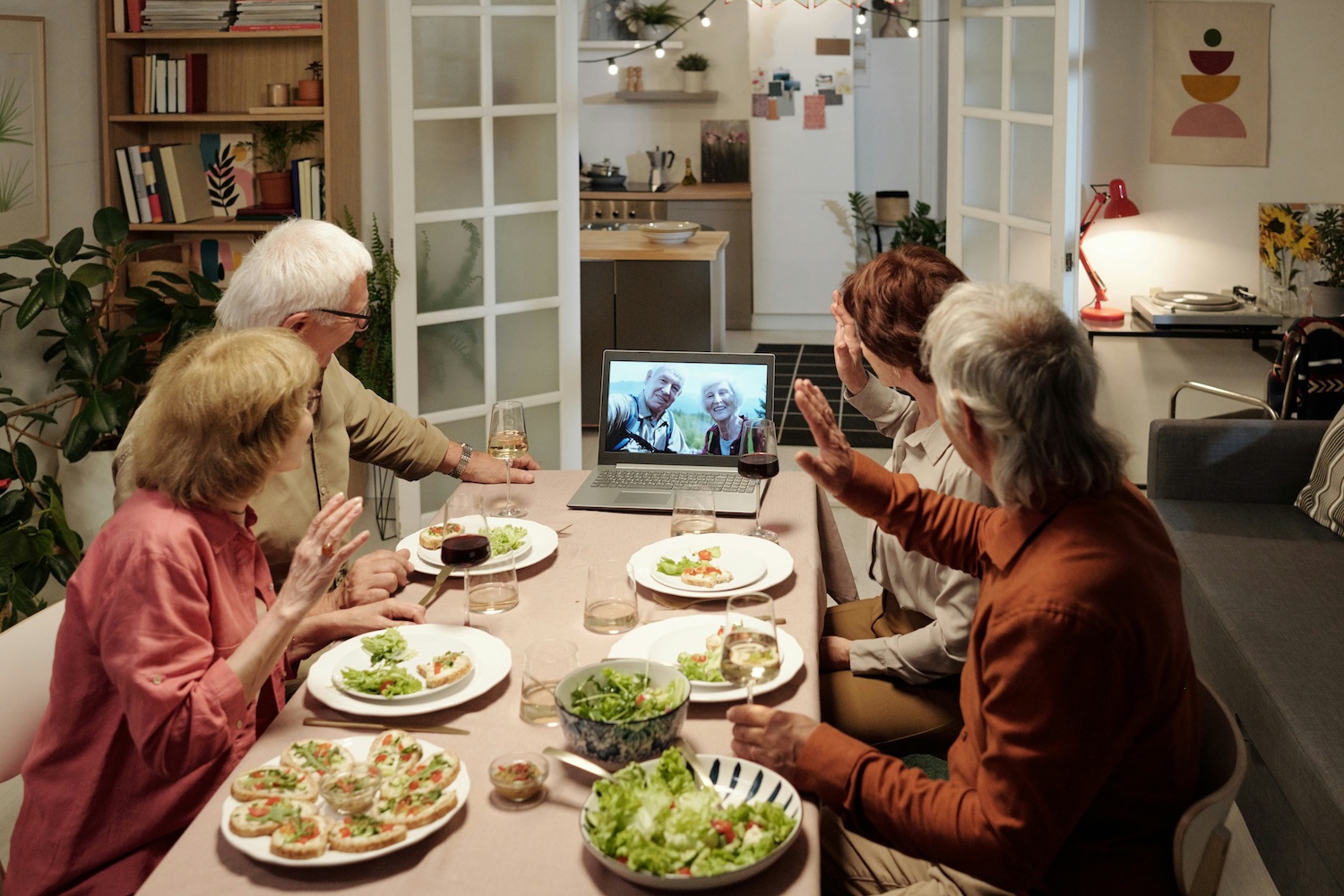
How companionship care supports mental wellbeing in later life
Mental wellbeing matters at every age. Yet for many older people, changes in routine, health, mobility, or social circles can make life feel quieter, and sometimes, harder.

Mental wellbeing matters at every age. Yet for many older people, changes in routine, health, mobility, or social circles can make life feel quieter, and sometimes, harder.

Understanding the options makes it easier to choose support that fits your loved one’s needs today, while leaving room to adapt in the future. Here’s a clear, practical guide.

Companionship care isn’t about taking over. It’s about adding a trusted presence, someone who visits regularly, takes time to listen, and helps.
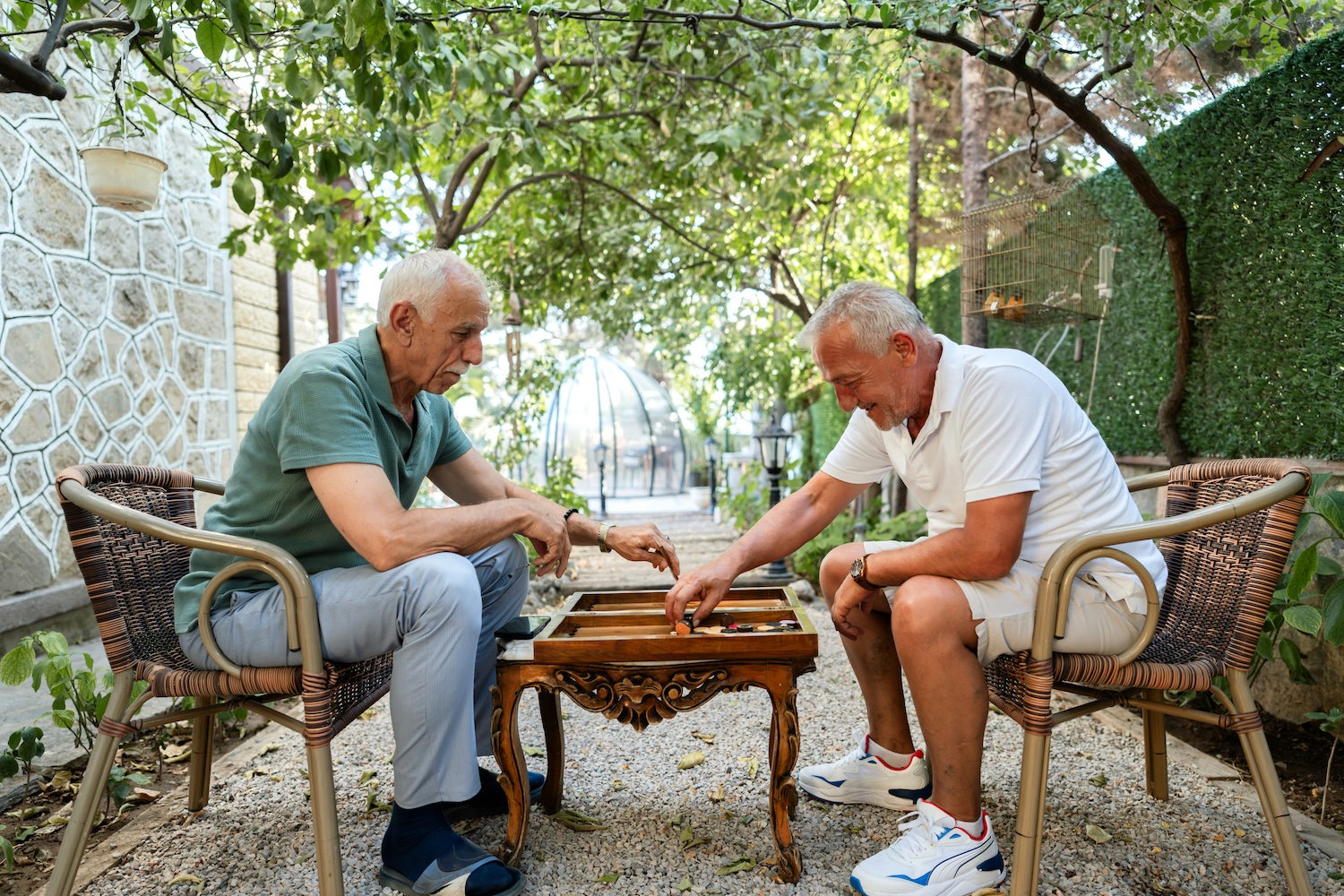
Sometimes, it’s the smallest parts of the day that matter most: a friendly conversation, a shared meal, a gentle walk to the shops, or simply knowing someone will pop in and take the time to listen.

Purpose and health are not created in isolation. For older adults, relationships are often the heart of ikigai – family roles, friendships, faith communities, neighbours, and even the bond with a trusted carer.

Physical activity in later life is about much more than “keeping fit”. It is about staying able to do the things that matter – getting to the mandir or gurdwara, cooking for family, walking in the garden, or picking up a grandchild.
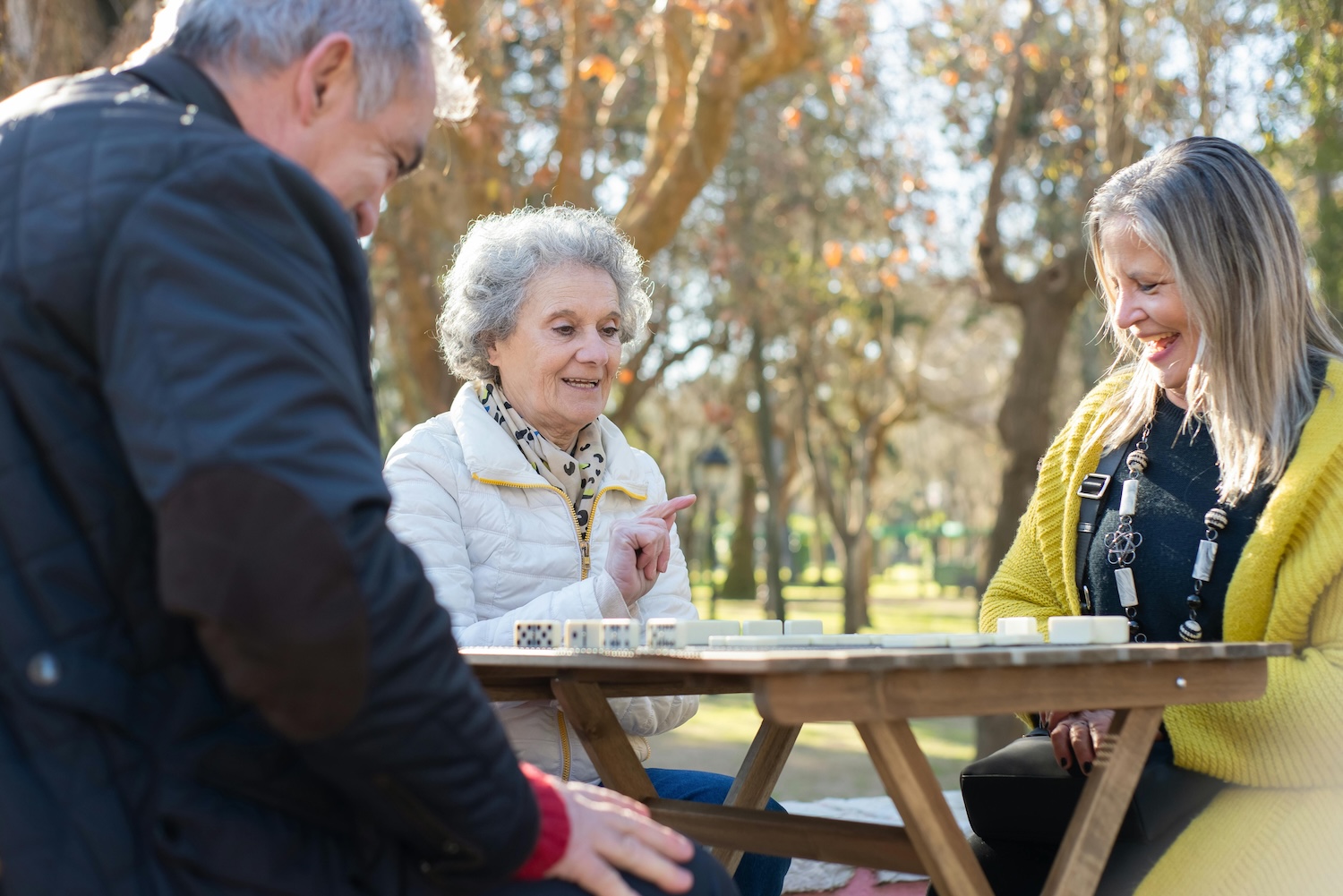
Healthy ageing is not just about avoiding illness – it is about creating days that feel worth living.

At U&I Care, we combine the wisdom of ikigai with holistic support – physical, emotional and spiritual – to help elders age well, not just longer.

While the price of care varies depending on individual needs, it’s essential to have a clear picture of what to expect and what funding options may be available.

Live-in care offers a compassionate and practical alternative to residential care, allowing couples to remain side by side, supported by a carer who understands their shared routines, relationship and needs.